
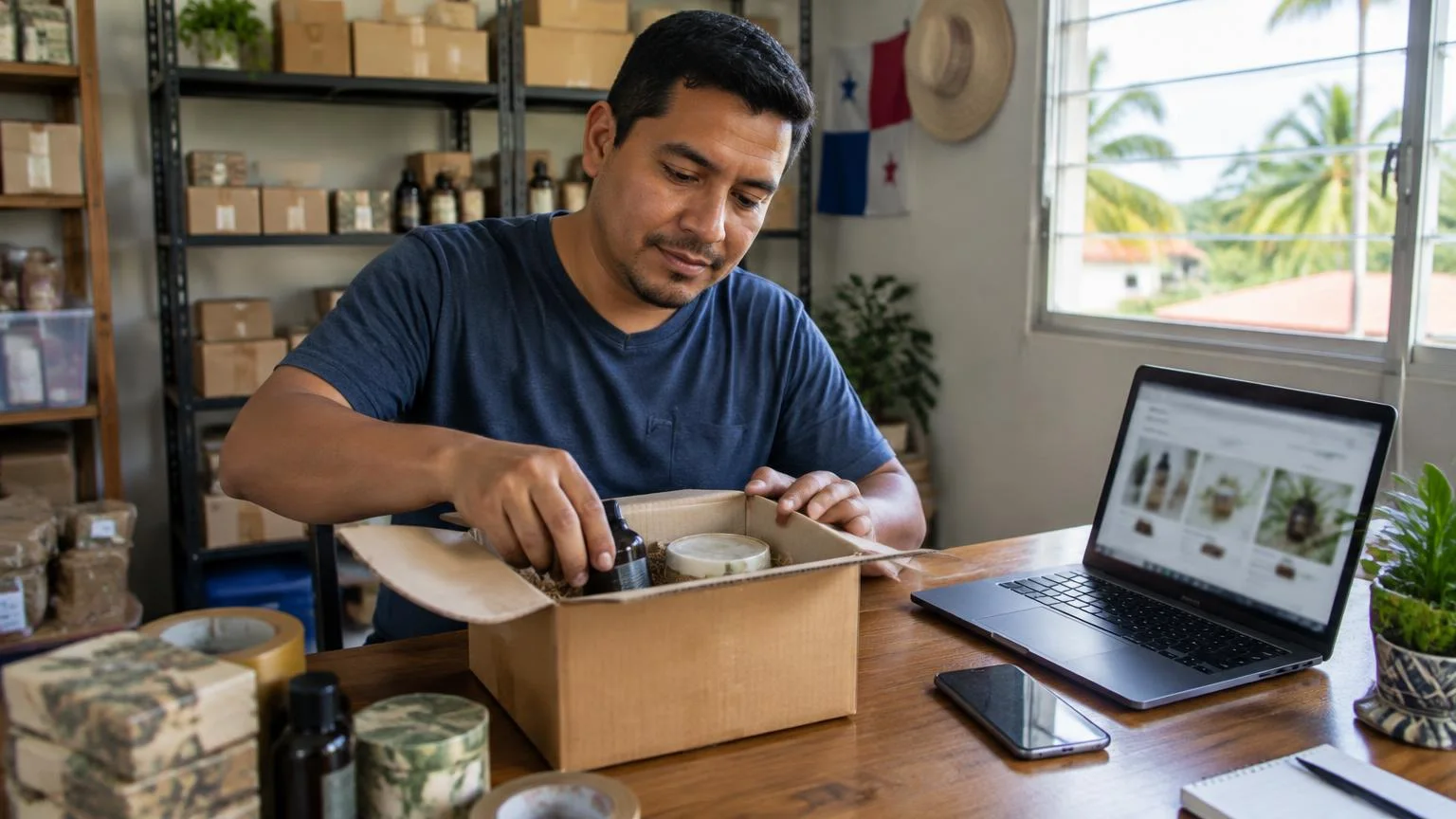

Selling on WhatsApp and Instagram works until it doesn't. There comes a point when you're answering the same question twenty times a day, orders get lost in your chats and you don't know which product sells best. That's when the idea of an online store comes up. Before you ask for a quote, it helps to understand what a store needs to really sell and what makes a project cost more or less. This guide won't give you a number, because that depends on your catalog and how you sell, but it will help you know what to ask for and what questions to ask.
In short
- If your customers almost always ask questions before buying, a catalog with WhatsApp may be all you need.
- A store that sells needs familiar payment methods, clear shipping, good photos, correctly calculated taxes and visible policies.
- The investment grows with the number of products, the variants and the connections to other systems.
- The domain, hosting, licenses and payment gateway should be in your name.
Do you need an online store, or is a catalog enough?
Not every business needs a full store from day one. Ask yourself these questions:
- Do your customers buy without asking questions? If they almost always need advice (custom furniture, services), a catalog with a WhatsApp button may work better than a shopping cart.
- Do you have clear prices and stock levels? A store needs to know how much each product costs and whether it's in stock.
- How many orders do you handle a week? If it's just a few, a well-organized catalog saves you work. If it's a lot, a shopping cart and online payments give you hours back.
A good starting point is a well-made catalog that can later grow into a store, without redoing everything. That's how we usually approach designing a website that grows with your business.
What an online store needs to sell in Panama
Payment methods your customers already use
In Panama, many people pay with Yappy, by card or by ACH transfer. A store that only accepts one payment method loses sales. To accept cards you need a payment gateway, which is set up in your business's name and charges a fee per sale. Before choosing one, ask how much it charges, how many days it takes to deposit your money and whether it works well on a phone.
Clear shipping and delivery
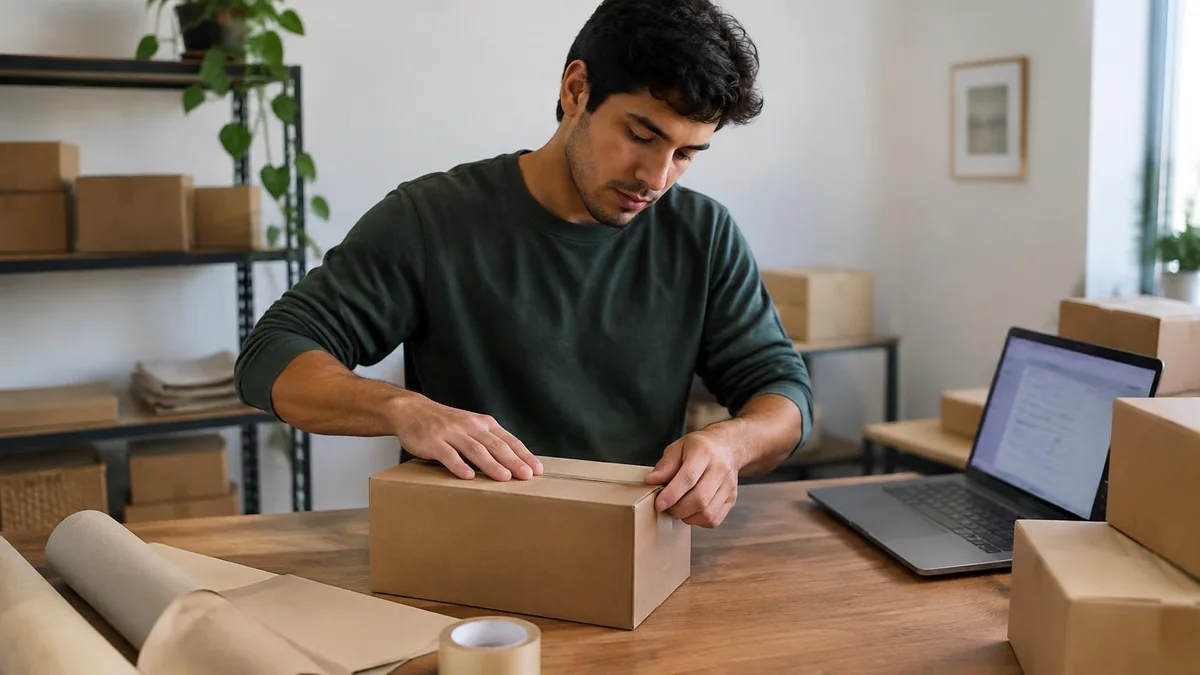
Do you deliver in the city, ship to the rest of the country or let customers pick up? Each option needs its cost and timeframe defined before you open the store. A customer who doesn't know what shipping will cost until the very end often abandons their cart.
Products set up properly
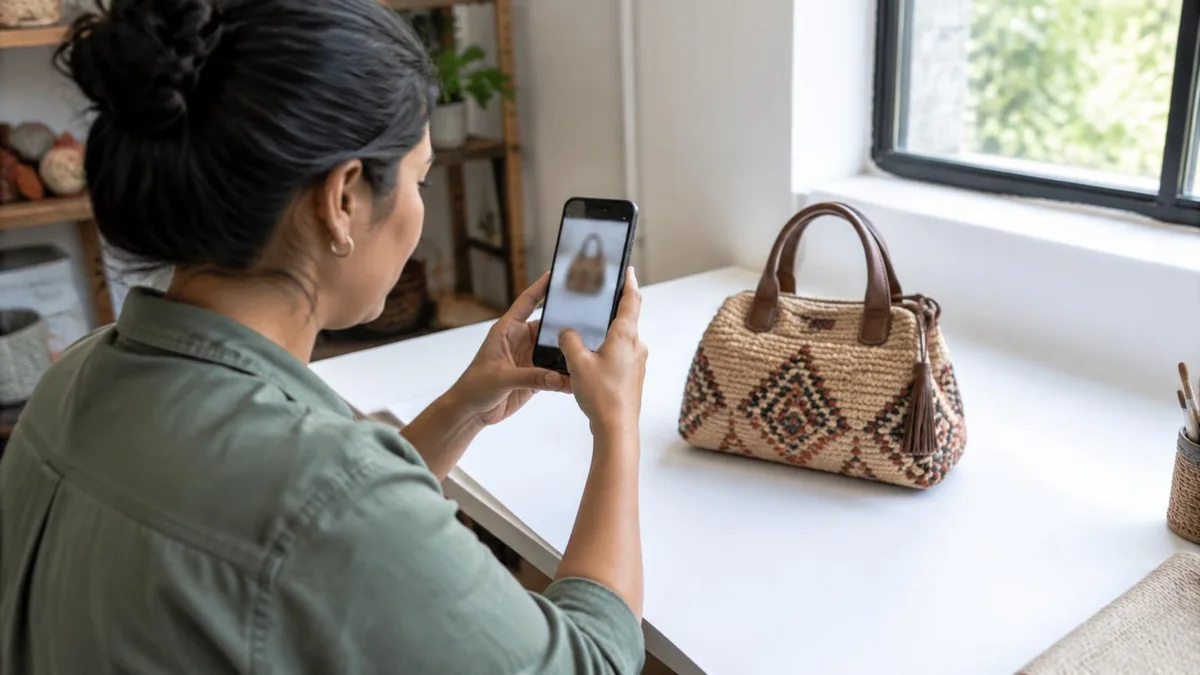
Each product needs clear photos, a description that answers the usual questions, its variants (sizes, colors, formats) and its price. It's the part that takes the most work and has the biggest influence on whether people buy.
Taxes and invoicing
Sales in Panama usually include ITBMS. Your store has to calculate it correctly and show it clearly. If you issue electronic invoices, it's worth checking from the start whether your invoicing system can connect to the store or whether you'll handle it separately. Your accountant is the best person to confirm what applies to your business.
Legal pages and trust
Shipping, exchange and return policies, plus data privacy. They're not just paperwork: they're what a new customer checks before entering their card details. Add real reviews, your WhatsApp number in plain sight and an active security certificate.
Automatic emails and notifications
Order confirmation, shipping notice and, if you'd like, a reminder to people who left products in their cart. They're small details that save you messages and give customers peace of mind.
What if you sell from Colombia, Spain or the United States?
The list is the same; only the names change. Instead of Yappy and ACH, your customers will use the usual payment methods in their country, and instead of ITBMS you'll have whatever tax applies: IVA (VAT) in Colombia and Spain, or each state's sales tax in the United States. Before choosing a payment gateway, confirm that it operates in your country and your currency, and check with your accountant which taxes and invoices apply.
What makes a store's investment go up or down
Two stores that look alike can have very different quotes. These are the factors that weigh the most:
- How many products you have and who uploads them. Uploading twenty products isn't the same as uploading five hundred, and it's not the same if you hand over ready-to-use photos and text or if they need to be prepared.
- Variants. A product with ten sizes and five colors takes more work than a single item.
- Connections to other systems: inventory, electronic invoicing, a shipping company or your physical point of sale.
- Design: an adjusted template or an original design for your brand.
- Special features: wholesale, subscriptions, bookings, coupons or a points program.
- What's included after launch: training so you can upload products yourself, support during the first few weeks and maintenance.
On top of the project, there are costs paid every year to third parties: the domain, hosting, some licenses and the payment gateway fee. Ask about all of them from the start and make sure they're in your name. In our guide what shapes the price of a website in Panama, we explain each one.
Mistakes that keep a store from selling
- Launching without your own photos. Supplier photos are the same ones your competitors use.
- Asking for too much information at checkout. Every extra field is a customer walking away. Let people buy without creating an account.
- Thinking only about computers. Many of your customers will buy from their phone; test your store on one before you open.
- Hiding the shipping cost until the last step.
- Not having anyone in charge. A store needs someone to check orders, stock and messages every day.
- Opening and not telling anyone. A store doesn't fill up on its own: you have to bring people in from your social media, your Google Business Profile and your current customers.
How to bring customers to your store
A new store starts with zero visits. The first sales almost always come from people who already know you: your followers, your WhatsApp customers and people who find you on Google Maps. A few ideas:
- Share the link to each product when people ask on WhatsApp, instead of sending loose photos.
- Put your store link on your Google Business Profile and in your social media bios.
- Write answers to the questions you get asked most right on your store; that also helps Google show your products.
- Ask your first buyers for reviews.
Questions to ask before requesting a quote for your store
Take this list to your meeting with any provider:
- Who uploads the products, and how many are included?
- Which payment methods will be up and running, and whose name is the payment gateway in?
- How are shipping and taxes set up (ITBMS in Panama, or whatever applies in your country)?
- Will I be able to add products and change prices myself? Is training included?
- Will the domain, hosting and licenses be in my name?
- What happens if something goes wrong in the first few weeks?
Frequently asked questions
Can I start with just a few products?
Yes, and it's often the best way to go. Opening with your best-selling products lets you learn how your customers buy before you load your whole catalog.
Can I keep selling on WhatsApp?
Of course. The store doesn't replace WhatsApp: it brings order to it. You can have a button for questions and, at the same time, let people who've already decided buy without waiting for a reply.
Will the store show up on Google on its own?
It launches with the basic setup ready, but showing up when someone searches for your products takes steady work on content, clear product pages and reviews. We explain it in our guide to local SEO and Google Maps.
If you're thinking about opening your store
We can go over your catalog with you, how you sell today and what makes sense to do first, with no commitment and wherever you are. Learn about our website and online store design service or book a free consultation.