
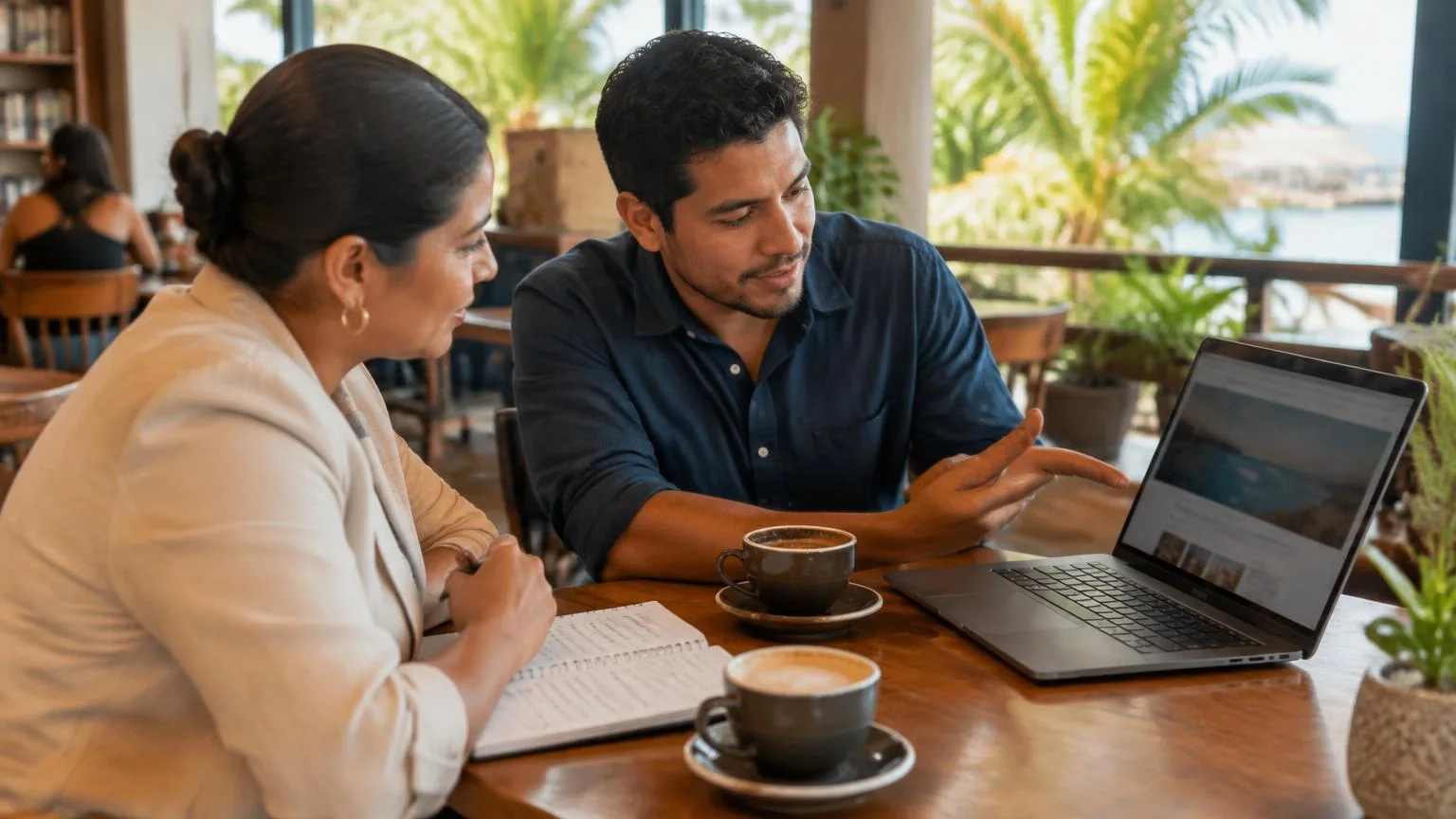

Choosing who builds your website is a lot like choosing an accountant or a mechanic: almost nobody knows how to judge the technical work, so we end up deciding based on price or a quick recommendation. And when something goes wrong, we find out months later, when the website doesn't show up on Google, doesn't load on a phone or the provider stops answering. This guide gives you simple criteria to choose a web designer in Panama, or in any country, calmly and without needing to know anything about programming.
In short
- Freelancer, agency or platform: it depends on how much support you'll need afterward.
- Check the portfolio on your phone and talk to a past client.
- The domain, hosting, licenses and access should be in your name.
- Be wary of anyone who promises the top spot on Google or gives you a quote without asking questions.
Freelance designer, agency or platform: what's right for you
There's no single best option for everyone. It depends on your project and how much support you need:
- Freelance designer. Direct, personal contact. Works very well for projects with a defined scope. Ask what happens if they get sick or go on a trip, and who responds if the website breaks.
- Agency. A team that covers design, content, SEO and support. It makes sense when you need your website to keep growing after it's delivered. Ask who your contact will be and whether you'll talk to the people doing the work.
- DIY online website builders. They're good for starting small, if you have the time and patience. Check whether you can move your website elsewhere the day you want to grow.
How to really review a portfolio
Pretty screenshots don't tell the whole story. Ask for the links to the sites and check them yourself:
- Open them on your phone. Do they load fast? Are they easy to read without zooming in? Can you tap the buttons with your finger?
- Try a form or the WhatsApp button. Does it work?
- Search for the business on Google. Does its website show up? Does it have a Google Maps listing?
- Notice whether all the sites look the same. If they look like the same template with a different logo, yours probably will too.
- Message a past client. Ask how the process went and whether the provider still responds after delivery.

What should be in your name
It's the most important question and the one people ask least. When the project is finished, you should own:
- Your domain, registered in your name or your company's, with your contact email.
- Hosting, contracted in your name or, at the very least, with owner access for you.
- Licenses for any paid tools the website uses.
- Full administrator access to the website.
- Your text, photos and logo, in files you can use elsewhere.
We've seen businesses that, when switching providers, discover they never owned their own web address. Getting it back can take weeks. Ask for it in writing from the start.
What a good work process looks like
A serious provider explains the steps before getting started. Roughly like this:
- A conversation to understand your business: what you sell, to whom and what you want people to do when they land on your website.
- A written proposal with what's included, the timeline and what they need from you.
- The structure and the content before the design, because the design adapts to the content.
- The design and one round of revisions, as agreed.
- The final review: speed, mobile, forms, security and basic setup for Google.
- The handoff, with training so you can edit the basics, and all access in your name.
- Support afterward: what happens if something breaks and who looks after the website.
If you'd like to see an example, here's how we work on a project step by step.
For that last point, always ask about maintenance and preventive support: who checks the website once it's live.
Red flags before hiring
- They promise you the top spot on Google. No one serious can guarantee that.
- They give you a price without asking anything about your business.
- They don't tell you whose name the domain and licenses will be in.
- Everything is “to be figured out later.” Whatever isn't written in the proposal tends to show up later on an extra invoice.
- They don't have real sites you can open, only screenshots.
- They take days to reply before you've even paid. It rarely gets better afterward.
Questions to ask any web designer
- What part of the work do you do yourself, and what part do other people do?
- Who writes the copy and who gets the photos?
- How many rounds of changes does the proposal include?
- Will the website be ready for phones and for Google?
- Will I be able to edit it myself? Is training included?
- What happens if something breaks in the first month?
- Do you offer maintenance after delivery? Is it required?
- Will you hand over all the access when we're done?
Frequently asked questions
Is it better to hire a designer in my city?
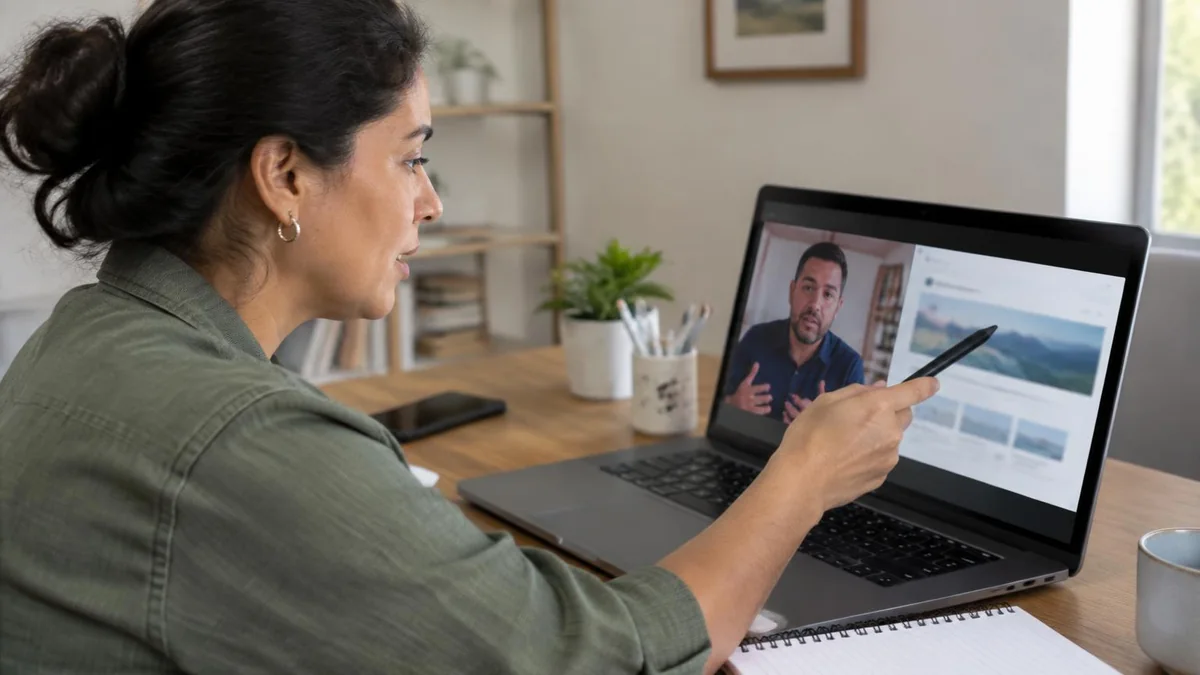
It's not a must, but it helps if they know how your customers buy in your country: how they pay, how they use WhatsApp and what they search for on Google. Good communication matters more than distance: today a project can be handled entirely over video calls and WhatsApp, whether you're in Panama, Colombia, Spain or the United States.
How long does a website take?
It depends on the scope and, above all, on how quickly the text, photos and approvals come in. A good provider gives you a timeline in writing and tells you what they need from you to meet it.
How do I compare different quotes?
Compare what each one includes, not just the total. We explain it with a table in our guide what shapes the price of a website.
If you'd like a second opinion
If you already have a proposal in hand and aren't sure it's a good one, or you'd like to know what your business needs before asking for quotes, we'll review it with you with no commitment. Learn about our custom website design service or book a free consultation.